
The Original Spicy Mushroom Stew: Deungchon Choe Wol-seon Kalguksu
Experience the authentic flavor of Beoseot-maeuntang(버섯매운탕) at the legendary Deungchon Choe Wol-seon Kalguksu(등촌 최월선 칼국수). This affordable yet incredibly delicious spot in Deungchon-dong(등촌동) offers a three-course delight of spicy stew, noodles, and savory fried rice.

1. Entering the Legend of Deungchon-dong
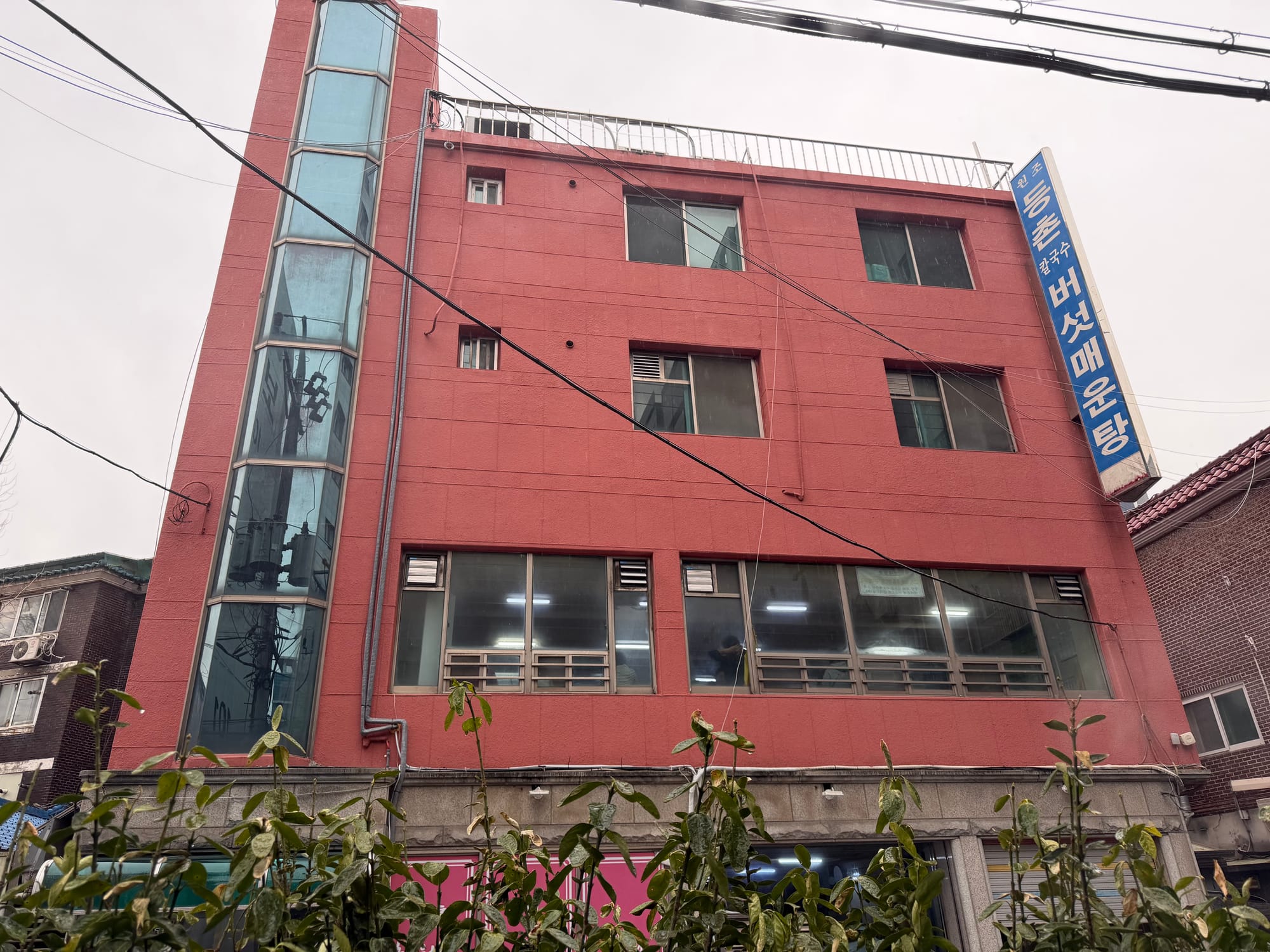
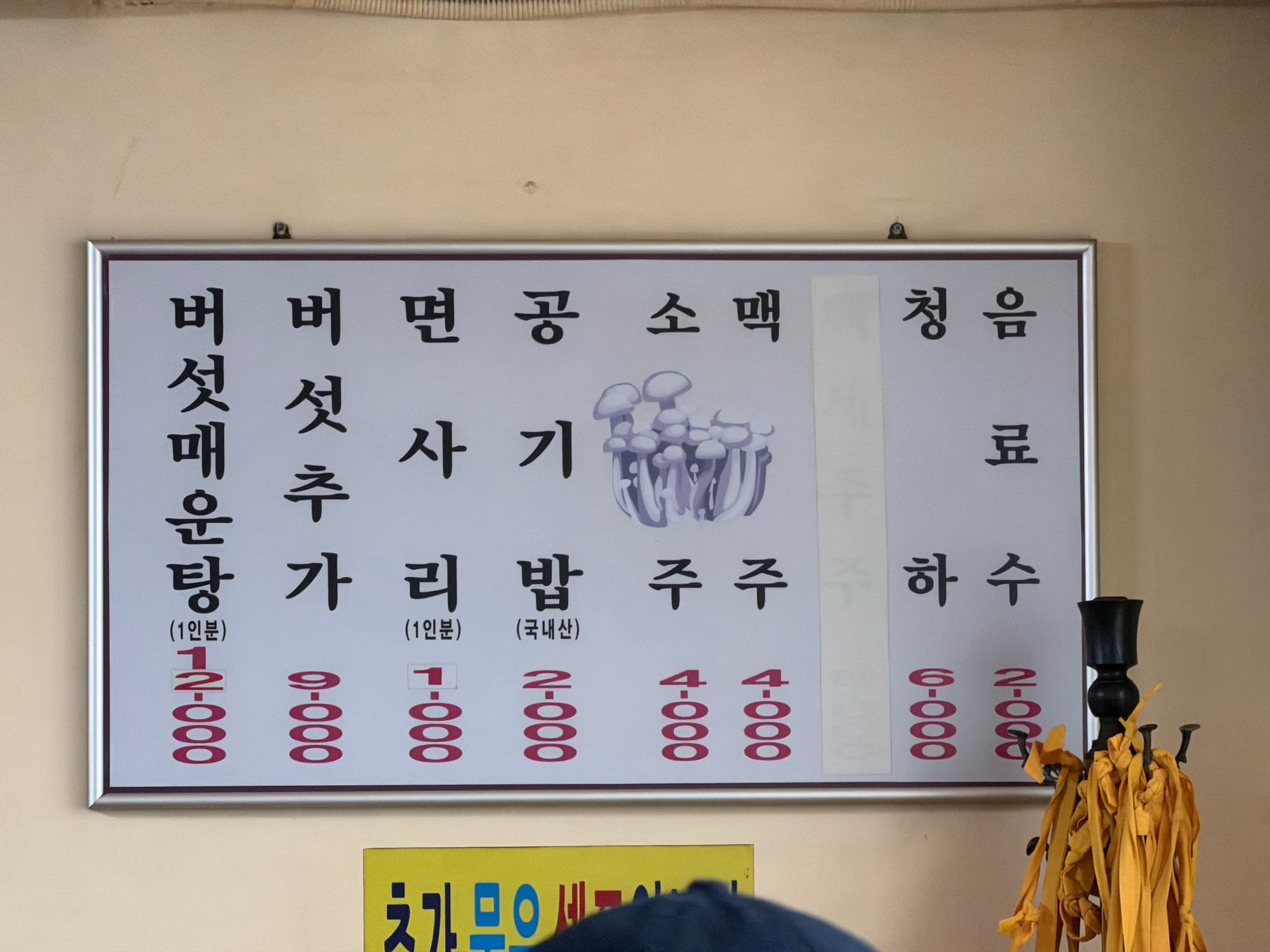
Deungchon Choe Wol-seon Kalguksu(등촌 최월선 칼국수) is a historic restaurant in Deungchon-dong(등촌동), Gangseo-gu(강서구). The exterior shows its long history as a local favorite. The menu is simple: the main dish is Beoseot-maeuntang(버섯매운탕). Since it's a single-menu restaurant, you only need to tell the staff the number of servings you want.
2. A Simple but Authentic Table
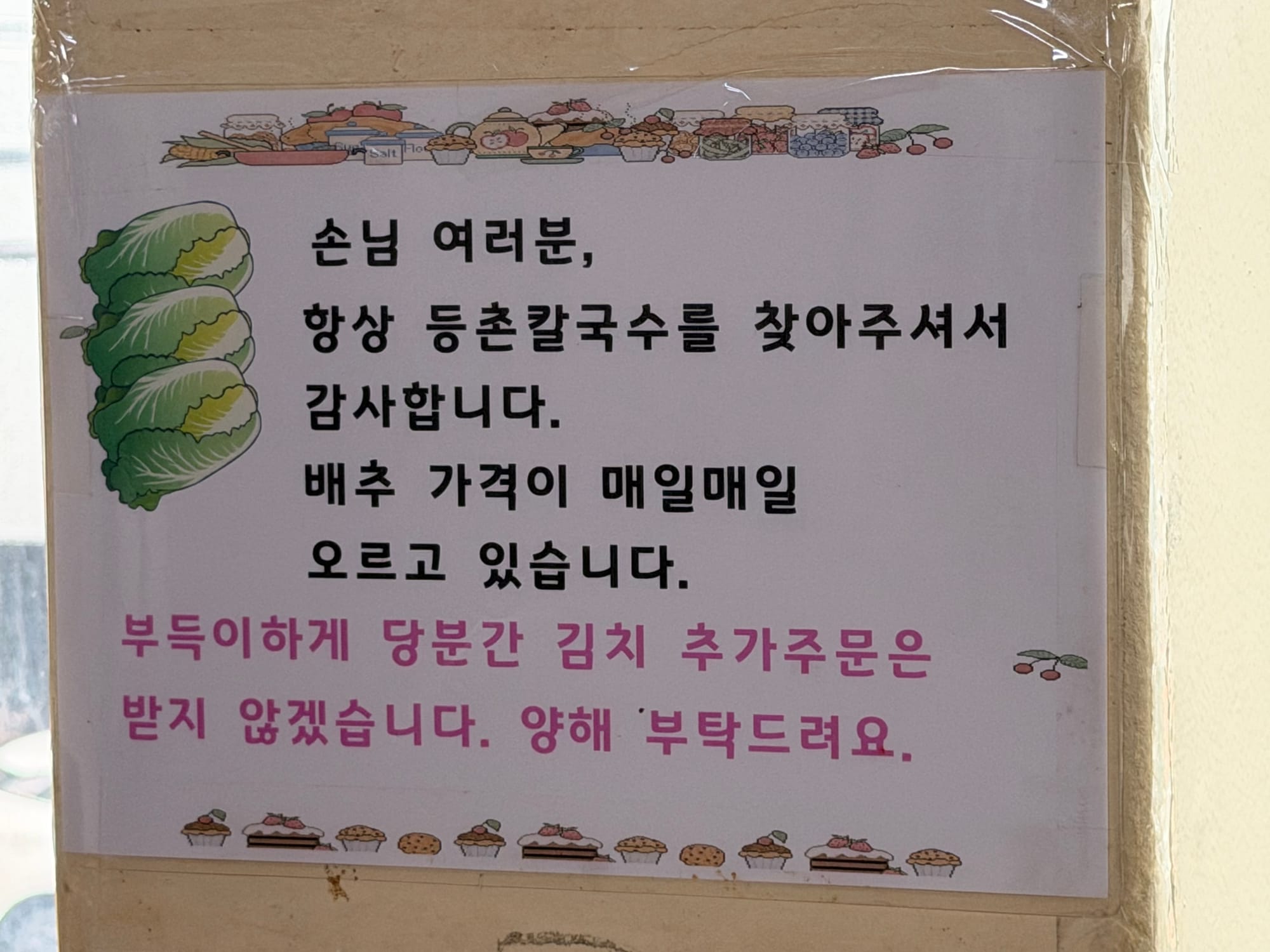
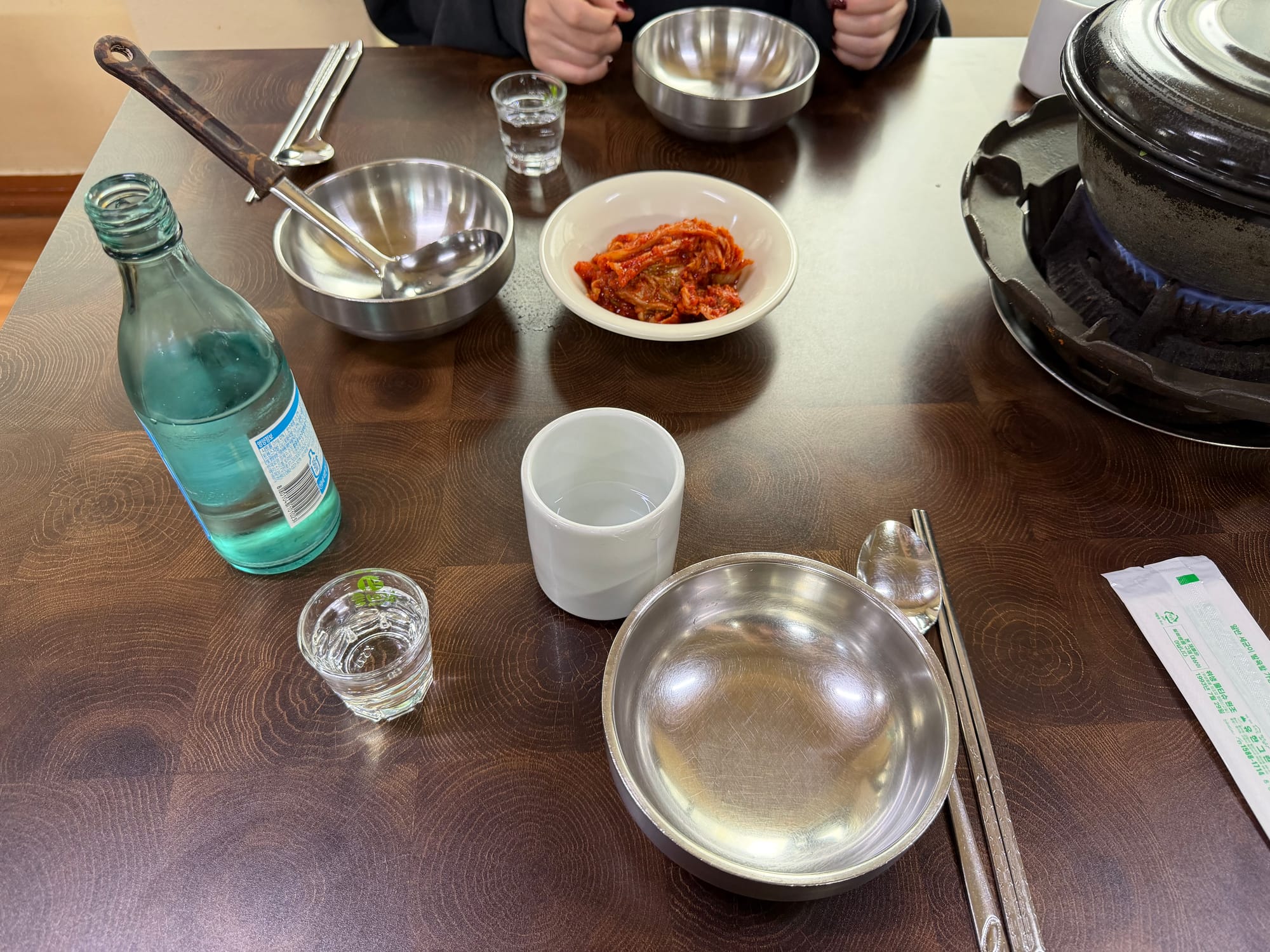
The table setting is minimal, with only one side dish: Kimchi(김치). Due to rising cabbage prices, there is a notice saying that extra Kimchi(김치) might be limited, but the staff kindly provided more upon request. This single side dish is the perfect companion for the spicy stew.
3. The First Kick: Minari and Mushrooms
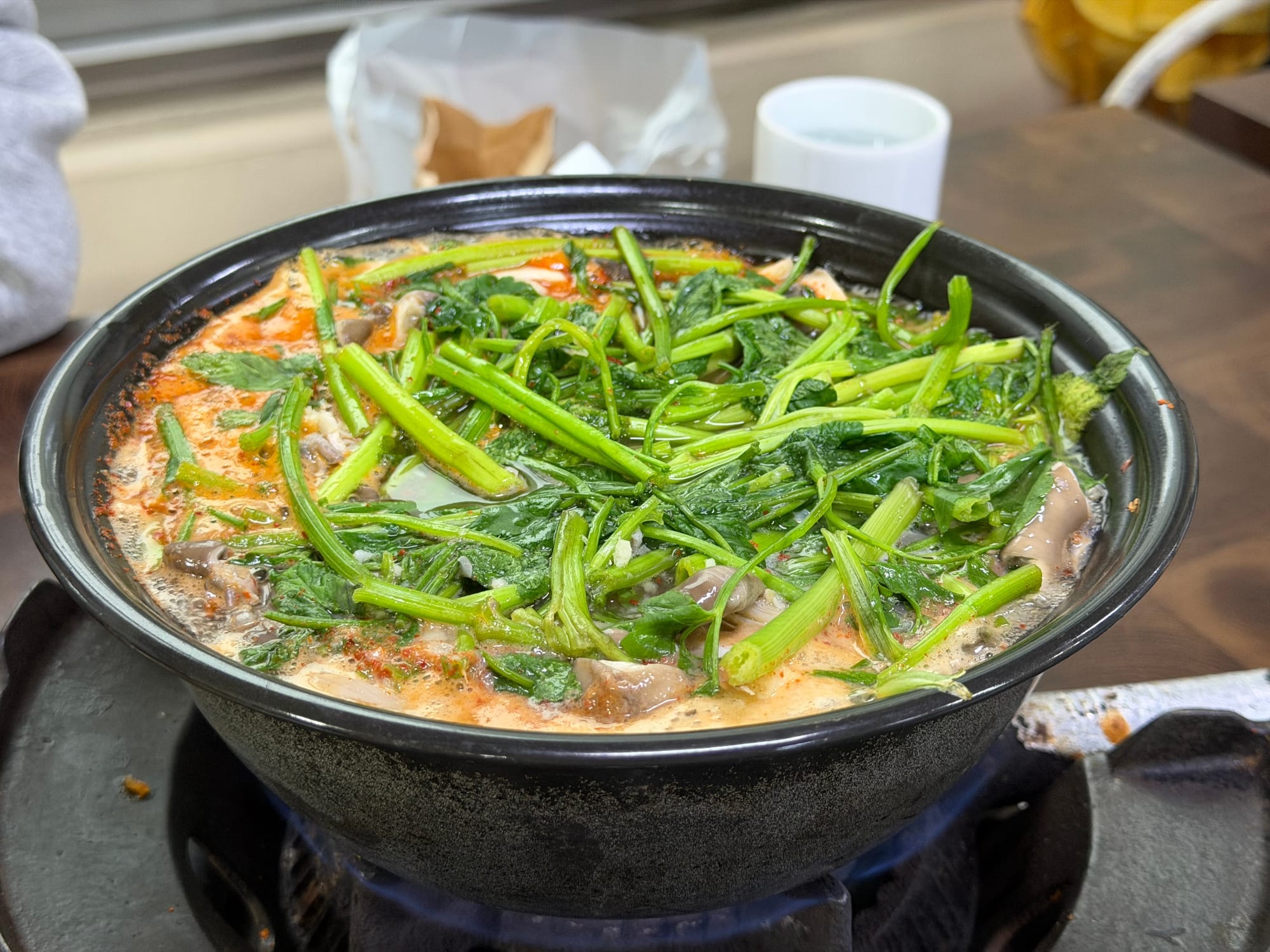
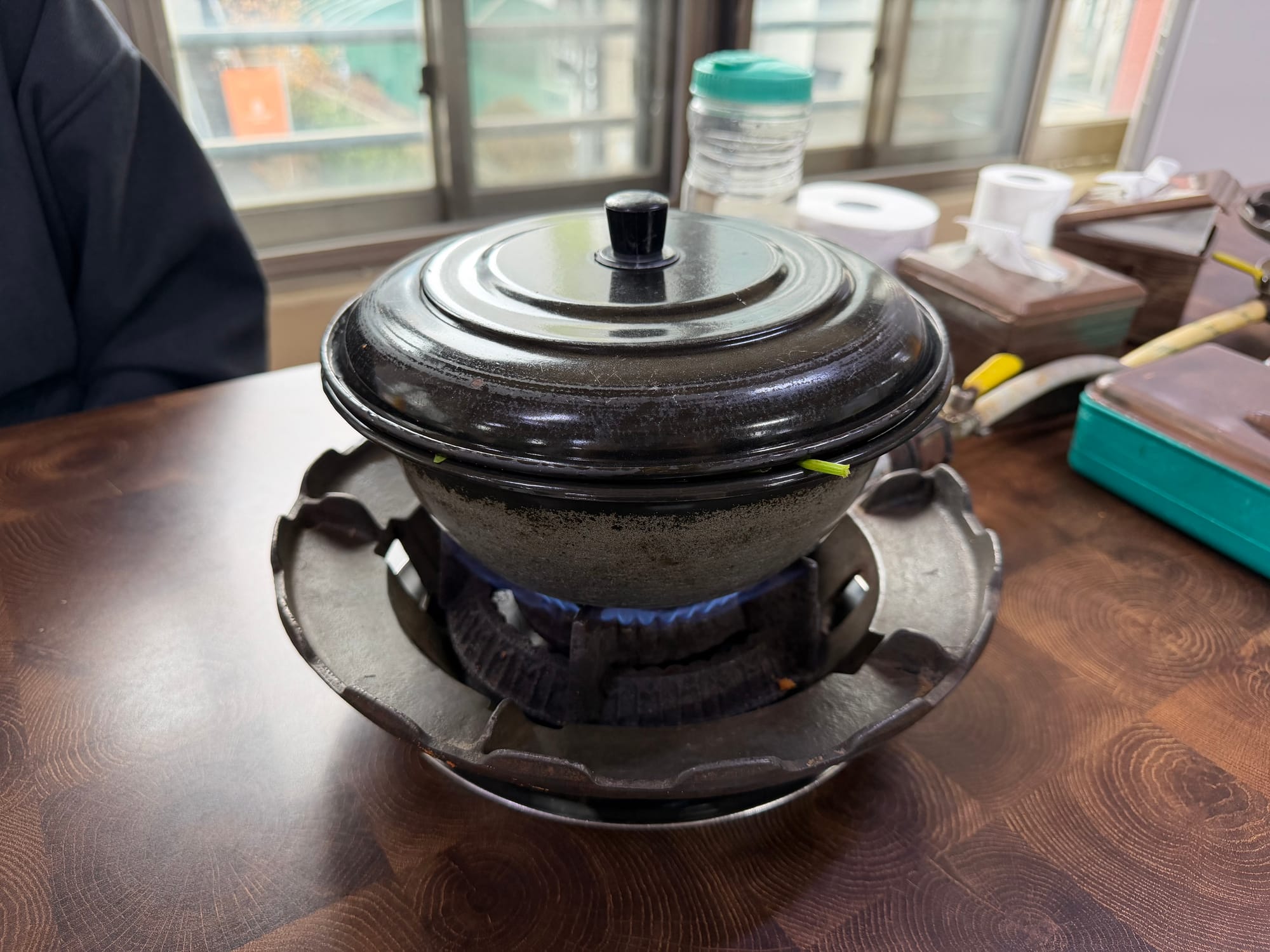
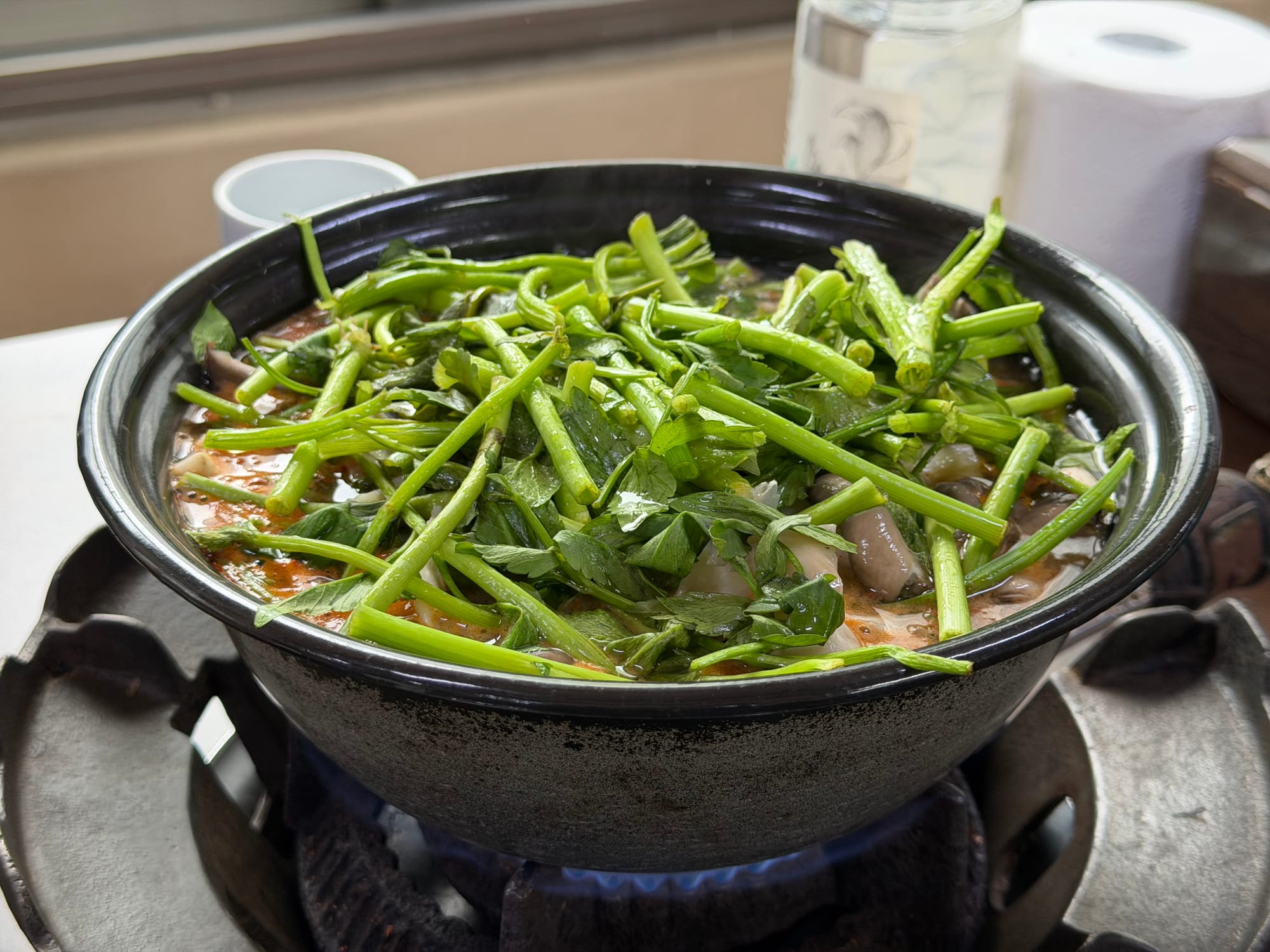
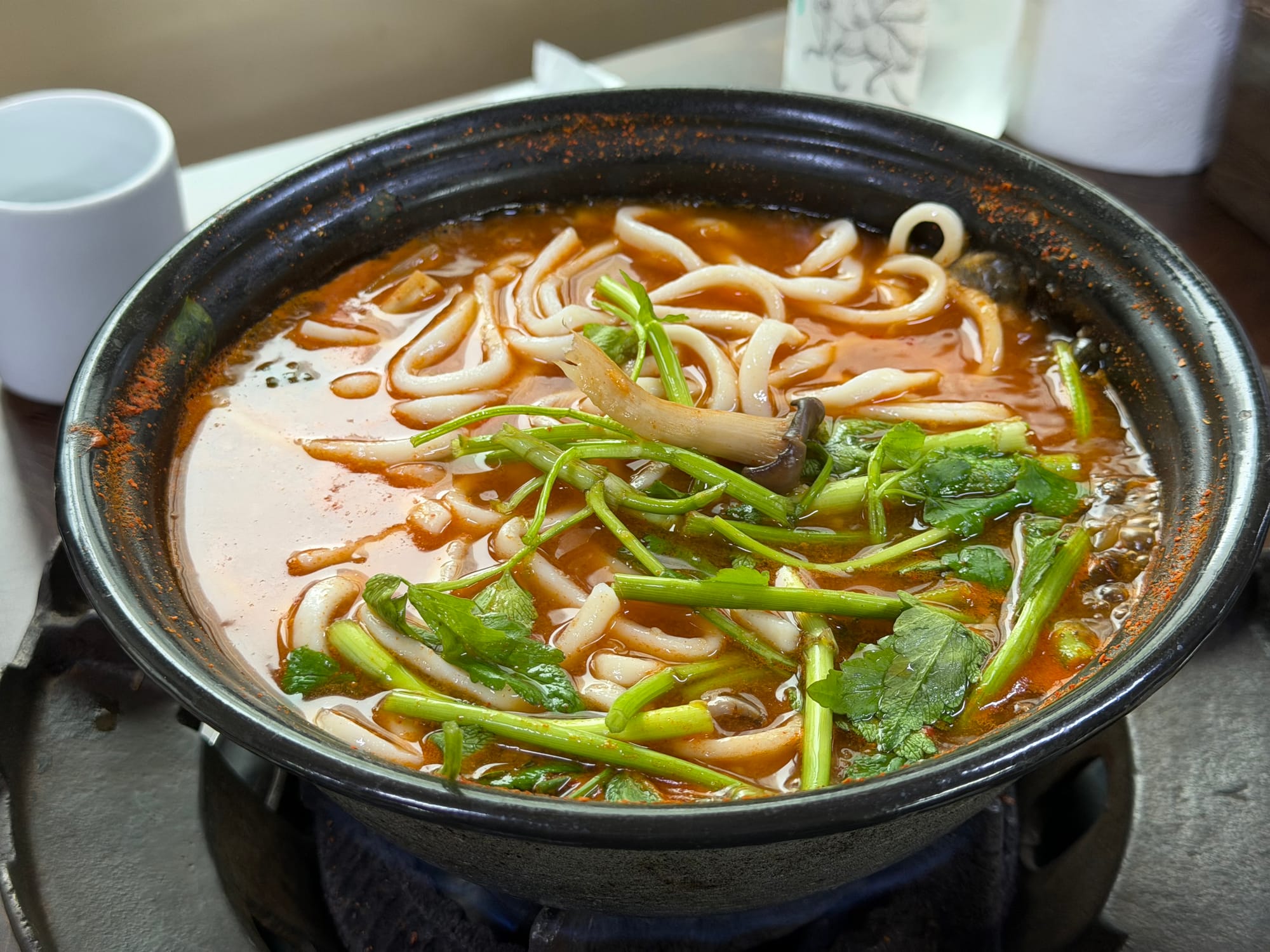
The pot starts boiling with the lid closed. Once it begins to bubble, opening the lid reveals a generous amount of Minari(미나리) on top. Minari(미나리) is the true "kick" of this dish. You should first enjoy the Minari(미나리) and mushrooms before adding the noodles.
4. The Journey Continues: Kalguksu and Soju
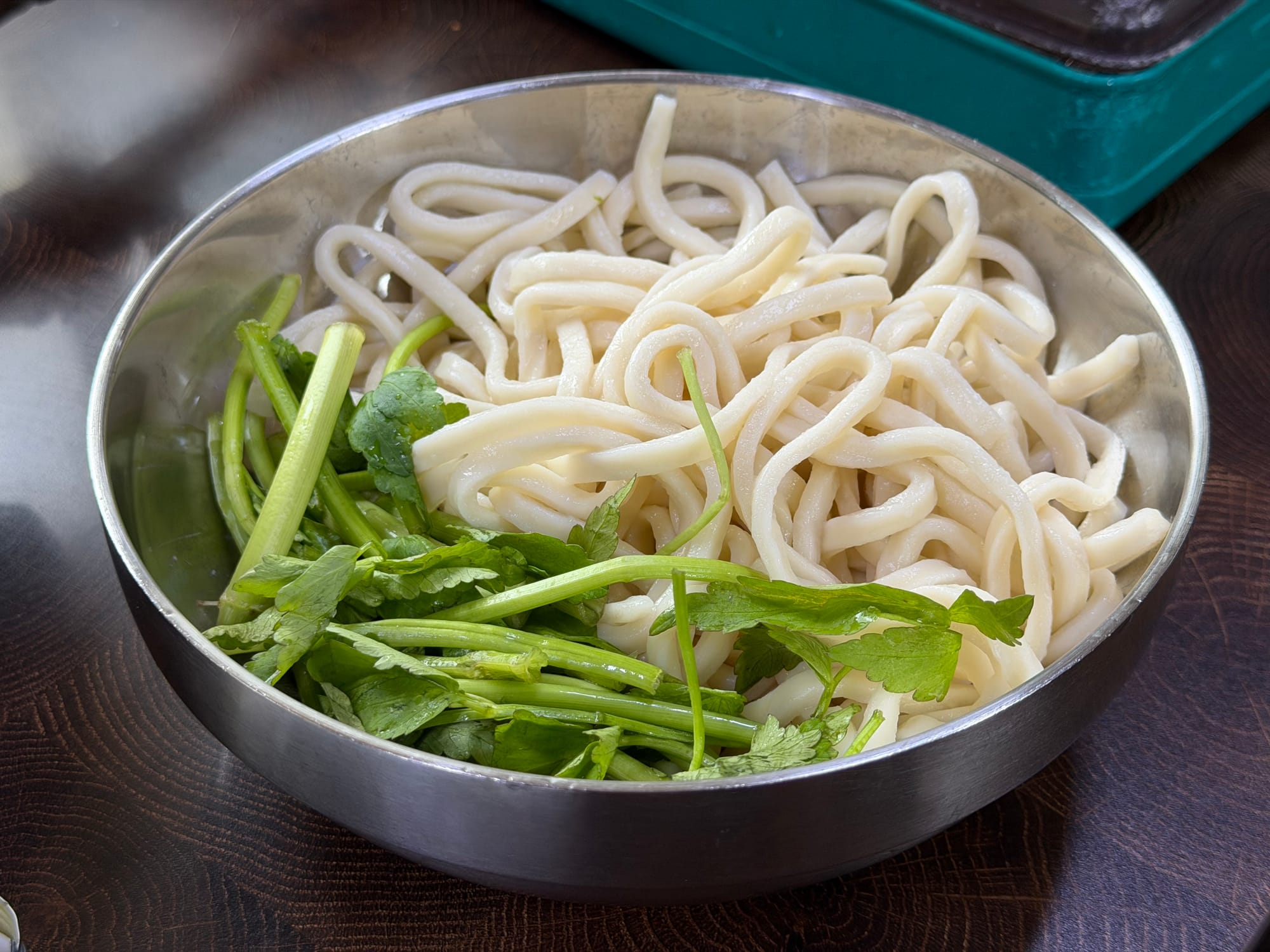
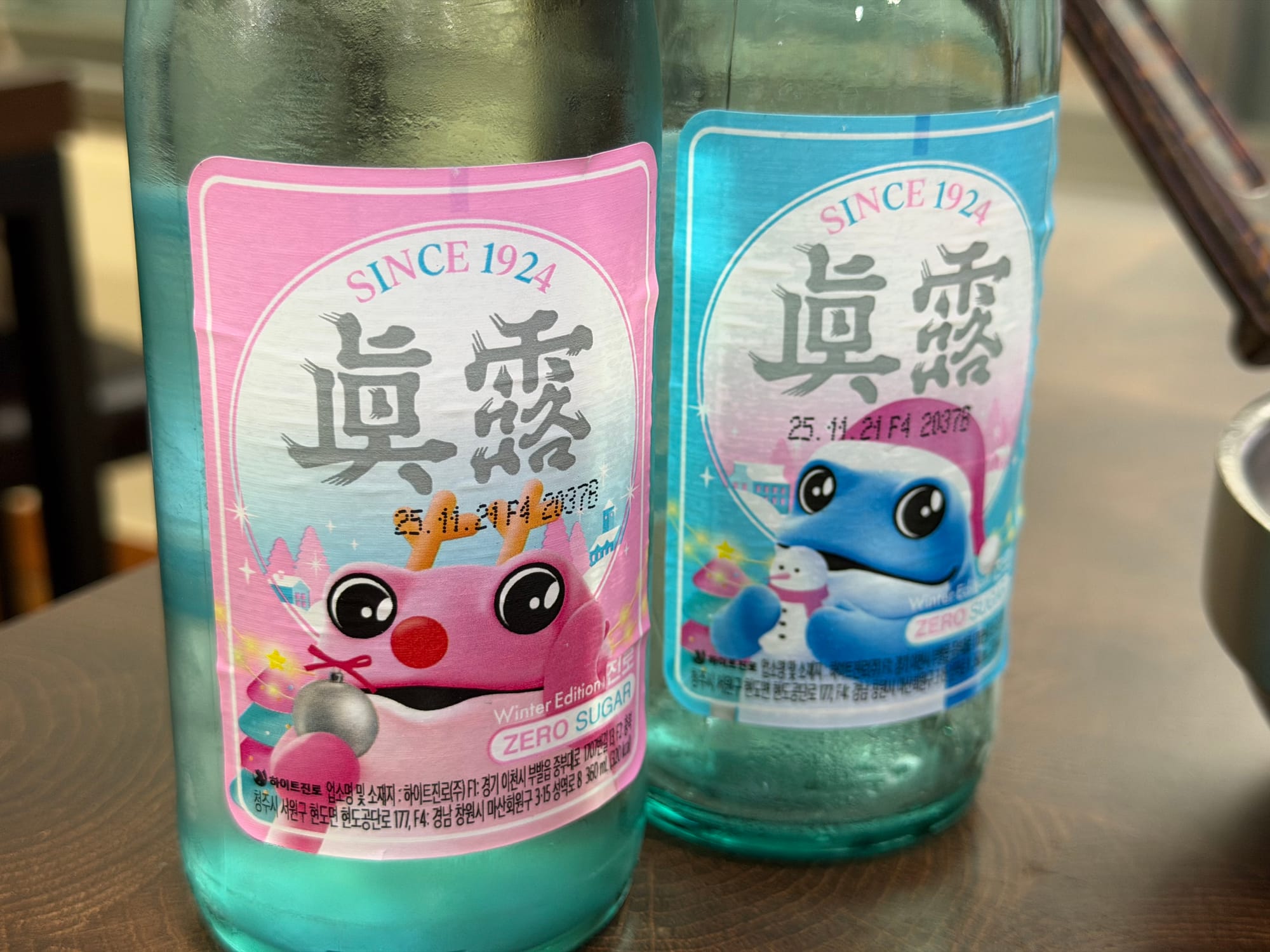
After finishing the mushrooms and Minari(미나리), it is time to add the Kalguksu(칼국수) noodles. Watching the noodles cook in the spicy broth is mouth-watering. A couple of bottles of Jinro Soju(진로 소주) pair exceptionally well with this hearty meal.
5. The Second Kick: Bokkeumbap
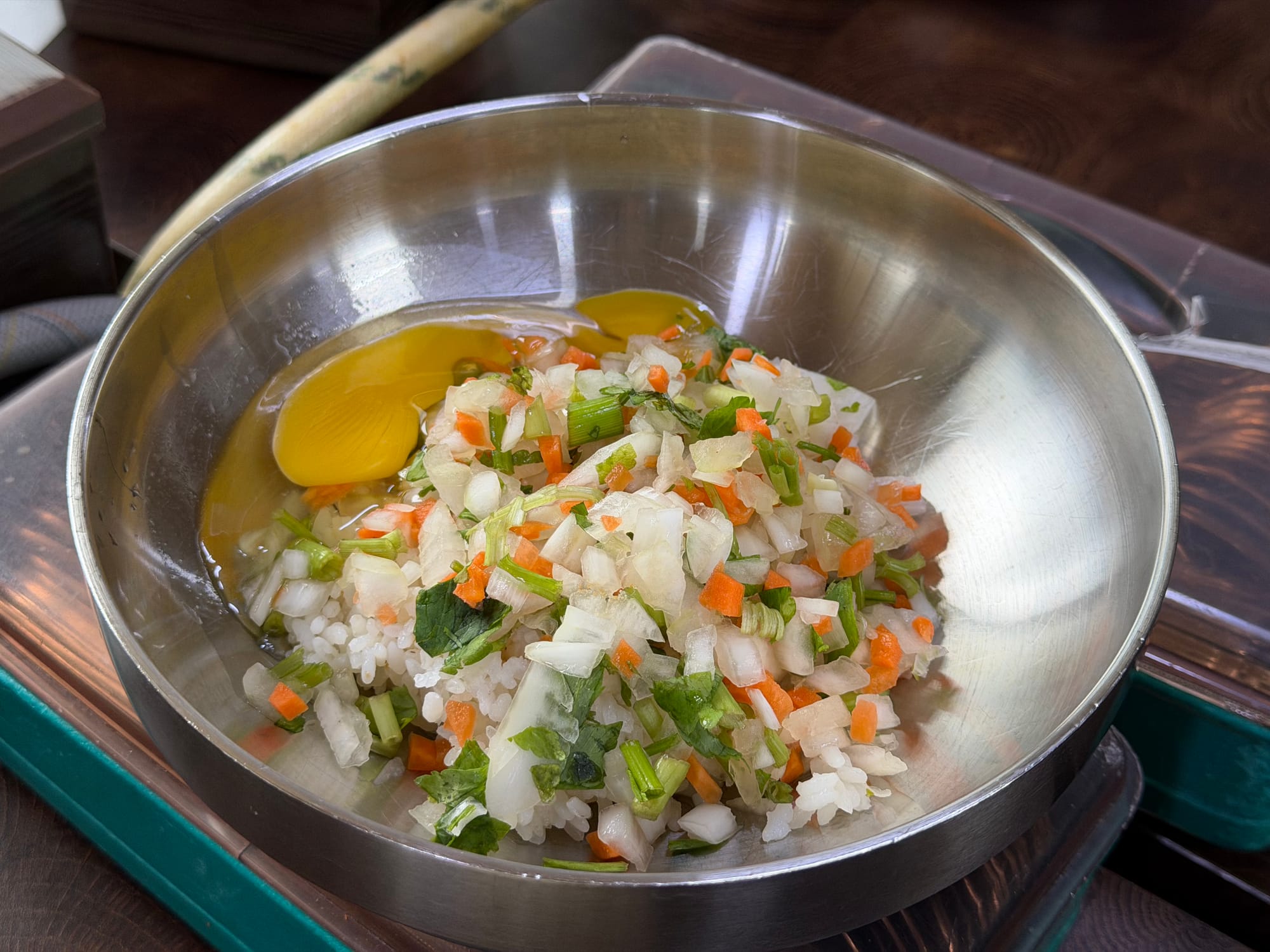
The second "kick" of this meal is the Bokkeumbap(볶음밥). The ingredients are prepared and waiting to be stir-fried. It was so delicious that I was too busy eating to take a photo of the finished dish, but the flavor was unforgettable.
This Beoseot-maeuntang(버섯매운탕) is not only affordable but also incredibly tasty. If only it were closer to my home, I would visit every day.
[Glossary: Korean Terms in This Post]
- Gangseo-gu(강서구): A district in western Seoul.
- Deungchon-dong(등촌동): A neighborhood in Gangseo-gu where the dish originated.
- Deungchon Choe Wol-seon Kalguksu(등촌 최월선 칼국수): The name of the original restaurant.
- Beoseot-maeuntang(버섯매운탕): Spicy mushroom stew.
- Minari(미나리): Korean water parsley.
- Kalguksu(칼국수): Knife-cut noodles.
- Bokkeumbap(볶음밥): Korean fried rice.
- Jinro Soju(진로 소주): A popular brand of Korean Soju.
- Kimchi(김치): Traditional Korean fermented cabbage.